Semantic Website Audit
Semantic website audit: find the gaps and plan the repairs.
A Semantic Website Audit examines how your website explains your business, covers its subjects and helps visitors make decisions. Semantec SEO turns that review into page findings and a practical repair plan.
Choose a whole-site review or an agreed group of pages. Before work starts, we define the pages, available evidence and report outputs. The report then connects each observed problem to a proposed repair and an acceptance check.
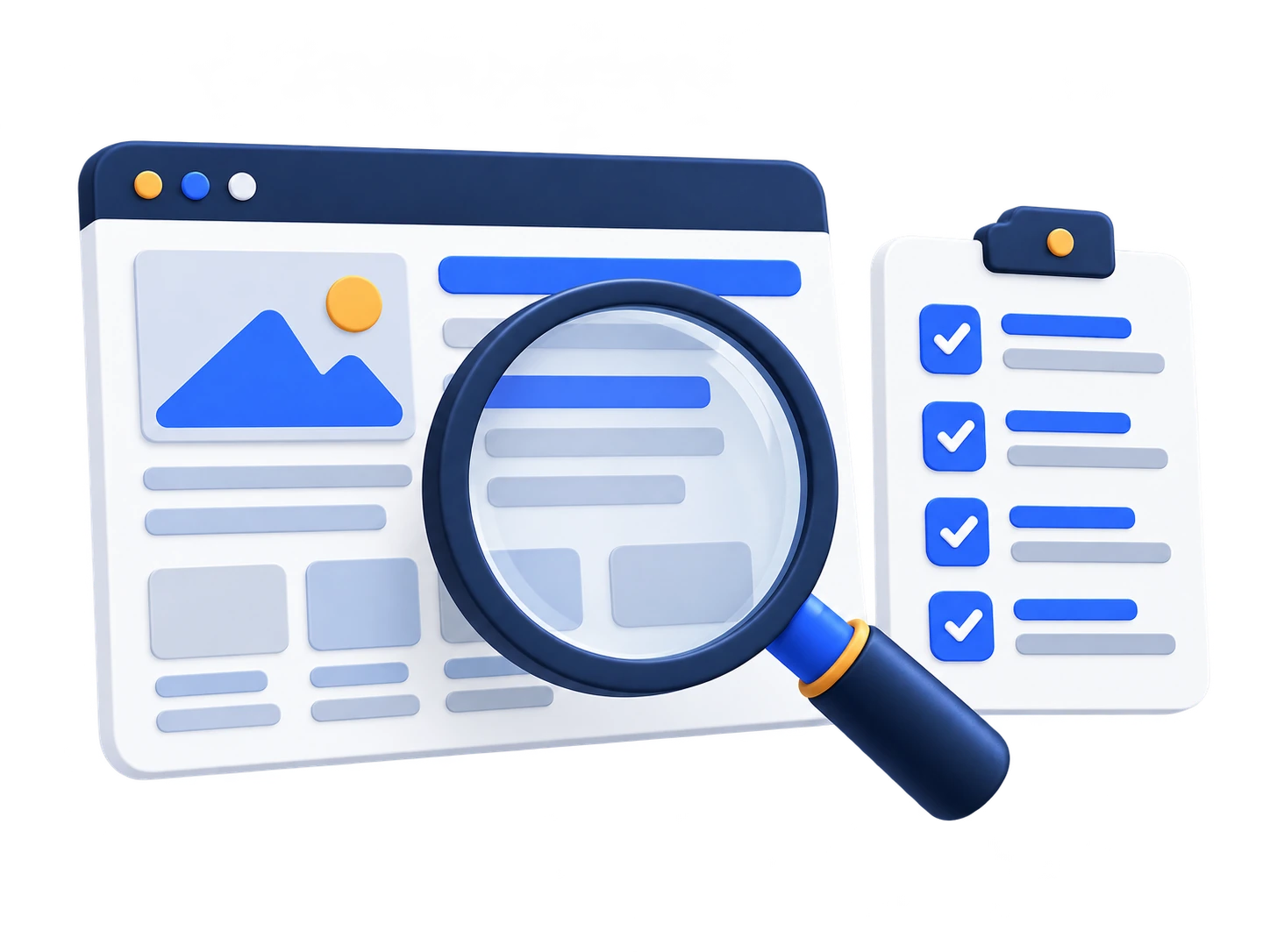
Review the website around its purpose.
A service page, category, article and company page have different jobs. We examine each against the offer, audience and task it needs to support. A long page can still leave a buying question unanswered; two short pages can repeat the same purpose.
The review covers subject coverage, entity descriptions, factual support, page structure, internal links and the next useful action. Agreed technical checks can include canonical declarations, indexing signals and structured data. Layout and interaction checks use the access available for the project.
- Name the audience, offer and intended page task.
- Find missing answers, unclear terms and unsupported claims.
- Examine related pages and overlapping purposes.
- Check navigation, contextual links and enquiry routes.

Receive findings your team can act on.
Each finding connects a page URL and an observed problem to its effect on the reader and a proposed change. A shared website fault is recorded once, with its affected pages listed, so repeated occurrences do not inflate the repair list.
The action register names dependencies, a responsible person and an acceptance check. It separates a copy correction from a wider change to page purpose, site structure or website code. A recommendation is not recorded as a completed repair.
- Page findings with specific examples.
- A summary of the patterns across the reviewed site.
- An ordered action register with dependencies.
- Acceptance checks for the agreed changes.

Check explanations against their supporting facts.
We compare service descriptions, entity facts and commercial claims with suitable sources. Unconfirmed business details stay unresolved until the responsible person verifies them. A page should make its limits clear beside the claim or action they affect.
Titles, headings, opening answers and examples are reviewed together. The aim is a coherent explanation that answers the reader’s question, rather than a list of terms inserted to meet a score. Our source and citation policy explains the standards behind factual review.

Agree the work and the evidence first.
Start with your website address, business goals, target markets and known problems. Include the pages you want reviewed and any search or visitor data you can supply. We use those inputs to agree the page group, sample and source material. The proposal names checks that need access you have not supplied.
The proposal states what the audit includes and who supplies business facts. It also names any separate website changes. You can commission an audit alone, ask us to make agreed repairs, or use the findings to define a wider website redesign. Project pricing explains how scope informs the fee.

Connect the report to the next stage.
An audit can supply your team with an independent plan or lead into agency repair work. For a repair project, we agree the pages, changes, review responsibilities and release checks before publication.
If the problem begins with page ownership or missing subject coverage, topical maps and website planning can define the structure. If approved pages need clearer explanations, content writing and rewriting can address the copy. A redesign can combine structure, content and supported website changes in an agreed project.
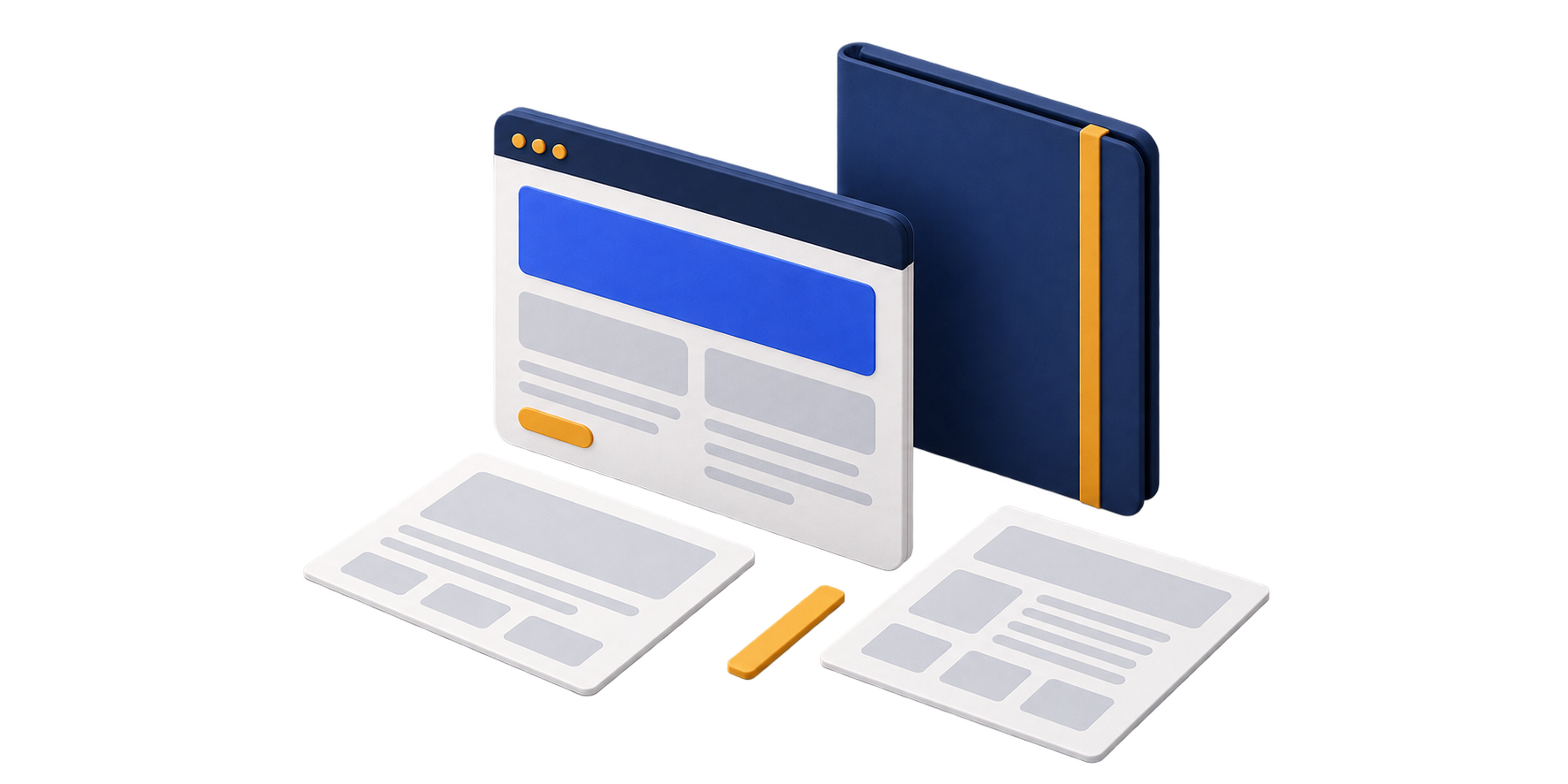
A useful finding links a fault to a check.
For example, a service page may describe the work but fail to state the area it covers. The proposed repair is to add confirmed coverage and any access limits beside the offer and enquiry action. The acceptance check is that a visitor can see which conditions apply before making contact.
This is an illustration of the report format, not a client result. Your findings depend on the website, sources and pages examined. A priority is justified by the reader consequence and its dependencies, rather than the length of a task list.
Know what the review can establish.
A website review can identify a missing answer, a misleading claim or an obstructed action. Search performance and commercial outcomes need their own evidence. Rankings, traffic and sales are not guaranteed by an audit or a completed repair.
Where access, browser support or measurement history is insufficient, the report names the unresolved check and the evidence needed. Measurement and review can form a separate scope when you need to assess later changes. We use AI in analysis, writing and checking, with review of facts and recommendations.
Discuss your website audit
Email Kevin Maguire with your website address, target markets, known problems and the pages you want reviewed. Include your intended timing and explain if you need the report alone or help with the changes.
sales@semantecseo.com · Your email app opens a draft. Review it and send it there.