
Semantic SEO agency
Clearer content.
Connected websites.
Semantec SEO connects your business, the subjects you cover and the people you want to reach.
We analyse your website, plan its pages, write the content and put agreed changes into place.
What we do
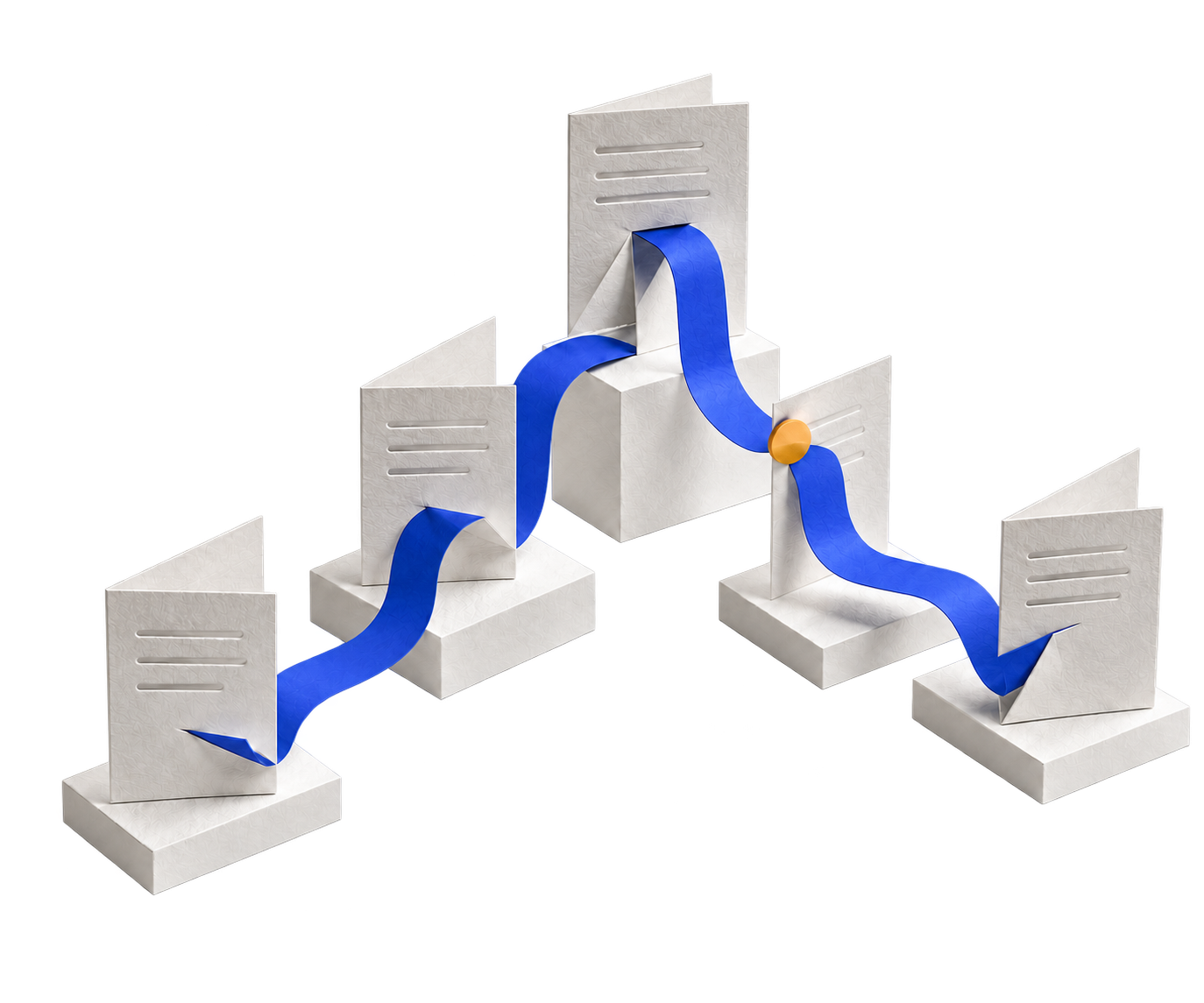
A clear purpose for every page.
Commission one part of the work or connect the parts in a website project. We agree the outputs, required inputs, responsibilities, fees and timing before work starts.

Topical strategy
Decide what your website should cover. Connect your offers and audience needs to subjects, page purposes and a practical publishing order.
You receive A topical map, page plan and subject priorities.
View topical mapping
Content and rewriting
Turn a page purpose into writing instructions and complete copy. Explain the subject, answer the reader’s questions and carry useful facts and examples through the page.
You receive Writing instructions, new content and revised pages.
View content services
Website structure and internal links
Give each subject a clear home. Review overlapping pages, navigation and contextual links so readers can move from a question to its answer and the next useful action.
You receive Page relationships, link plans and agreed route changes.
View internal linking
Entity analysis and structured data
Describe your business, services and page subjects consistently. Match suitable structured data to visible facts and explain the relationships that need attention.
You receive Entity plans, markup recommendations and markup checks.
View entity analysis
Page design and website changes
Take approved content onto the website. Connect layout, illustrations, metadata and working actions, with checks for reading order, screen width and publication.
You receive Responsive pages, website changes and a review record.
View website services
Measurement and improvement
Use search and website data to examine a defined question. Review content, plan a comparison or assess a change with its dates, data source and limits stated.
You receive Measurement plans, content reviews and next actions.
View measurementNeed writing instructions before production? See how we plan content. Planning repeated location or service pages? Start with the data and the reader need.
Semantic website audits
Find the gaps. Decide what changes.
An audit examines the relationship between your business, website topics, page content and the routes readers take.
Within the agreed scope, we review page purposes, coverage, titles, internal links, structured data, layout and actions. Findings name the affected pages, the evidence, the proposed change and the check needed to accept it.
You receive a repair register and an executive summary drawn from the same findings. Website changes can form a separate or combined part of the project.
View the website auditHow a project works
From a website question to agreed work.
Review the starting point
Share the website, your offers, audience, markets and the problem you want to address. We identify the information and access the work needs.
Agree the scope
The proposal sets the agreed outputs, exclusions, fees, schedule and review responsibilities. We identify dependencies before committing to the work.
Produce and review
We carry out the analysis, content or website work. You review business facts and project decisions at the agreed points.
Publish and assess
For publishing work, we check the saved page and its public presentation. Measurement and later improvements follow the scope you commission.

For agencies
Specialist help for your client work.
Bring Semantec SEO into a defined part of your delivery: analysis, audits, page planning, content, internal links or website changes.
We agree the division of work, client communication, access, review and publishing responsibilities before the project starts.

Who you are working with
Founded by Kevin Maguire.
Kevin Maguire is the founder of Semantec SEO and handles project enquiries, support and privacy requests.
The agency works with businesses and agency partners across English speaking markets. Projects focus on useful content, clear page relationships and the website changes agreed with you.
AI within the work
AI supports our internal analysis, writing and review. Semantec SEO remains responsible for the commissioned work and the outputs delivered to you.
About Semantec SEO
Free learning library
Learn the thinking behind the work.
Learn how subjects, entities, reader questions and page relationships fit together. Follow focused explanations and worked examples at your own pace.
Before you enquire
Practical project questions.

Do we need an audit first?
An audit is useful when the problems or priorities are unclear. A defined writing task, accepted page plan or website change can also be the starting point.
How is a project priced?
Fees depend on the agreed work, website, required inputs and review needs. Our pricing page explains how project scope is agreed.
Can you work with our existing team?
Yes. We agree who supplies information, reviews facts, makes decisions and publishes the work. Your current agency or website team can remain involved.
Can you promise rankings or AI citations?
No. Search rankings, traffic and AI citations depend on external systems and other factors. We agree the work we can deliver and assess it against stated checks and data.
What should we send to get started?
Your website address, main offers, intended audience, markets and the change you are considering. Mention any deadline and the people involved. Do not send passwords or confidential customer information in the first enquiry.
Start a project
Tell us what your website needs to do.
Send Kevin your website address, the people you want to reach and the work you are considering. For agency enquiries, describe the part you want us to take.
The email link opens your email app. You review and send the message there. You can also copy the address into your email service.
For existing work, contact support@semantecseo.com. For privacy requests, contact privacy@semantecseo.com.